Disclaimer: This post is for educational and informational purposes only and does not provide financial advice or investment guidance.
Introduction
Digital platforms used by professional service providers increasingly rely on client portals to exchange documents, messages, and structured information. Secure client portal access has become a foundational element of modern digital workflows, especially in environments that require organized communication and data handling.
This article provides an educational overview of how secure client portals operate, what users typically encounter during initial access, and how platforms such as taxdome client portal fit into the broader landscape of professional digital systems. The goal is to explain concepts and interfaces clearly, without promoting any specific service.
What Is a Secure Client Portal
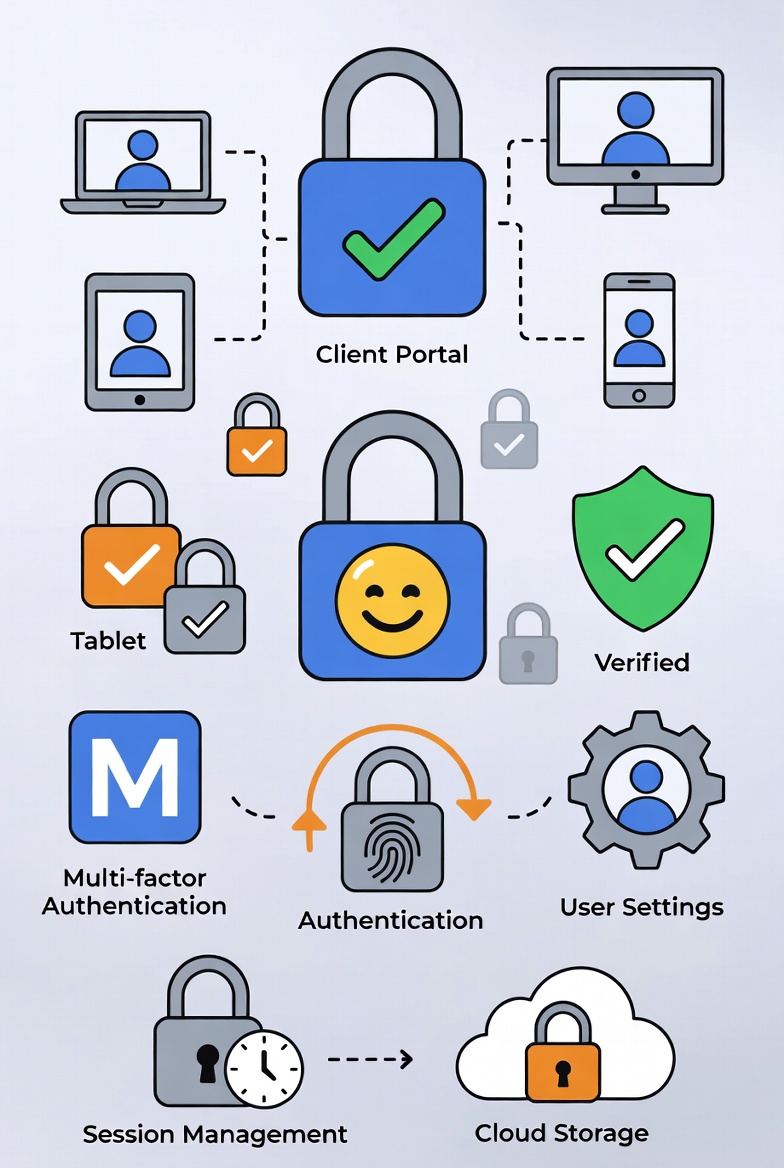
A secure client portal is a restricted digital environment designed to allow authorized users to access shared information safely. Unlike open websites, these portals require identity verification and controlled entry.
In professional digital platforms, client portals are commonly used to centralize interactions, reduce reliance on unstructured email exchanges, and provide consistent navigation for users. Systems like taxdome illustrate how portals can combine document access, messaging, and task visibility within a single interface.
Typical Access and Registration Process
Most professional platforms follow similar high-level steps when granting portal access. While details vary, the general process includes:
- User invitation or initial setup
Access often begins when a user receives a secure invitation or creates credentials within a protected environment. - Identity verification
Portals usually require email confirmation and password creation to ensure that access is limited to intended users. - First-time navigation overview
After access is established, users are typically guided through dashboards, menus, and basic interface elements.
Platforms such as taxdome client portal use structured onboarding screens that emphasize clarity rather than complexity, which is a common design principle across professional digital tools.
Navigating the Client Portal Interface
Once inside a secure portal, users generally encounter several core interface sections:
- Dashboard overview presenting recent activity or updates
- Document area for viewing shared files and organized folders
- Messaging or communication panel for platform-based interactions
- Profile and settings section for basic user preferences
Educational reviews of platforms like taxdome often highlight how consistent navigation reduces confusion for users who may not interact with digital portals daily. Similar layouts can also be found in other neutral professional platforms used for collaboration and information exchange.
Security Features and Access Controls
Secure client portals rely on multiple layers of protection to safeguard information. Common features include:
- Encrypted connections to protect data during access
- Role-based permissions that limit visibility
- Session timeouts to prevent unauthorized access
- Activity logs that record system interactions
These mechanisms are standard across professional platforms and are not unique to taxdome. Understanding them helps users recognize why portals behave differently from public websites.
Comparison With Other Digital Portals
While taxdome client portal is one example, similar access models exist across many professional digital platforms. Educational comparison shows that most systems prioritize:
- Clear separation between public and private areas
- Consistent login workflows
- Structured information hierarchy
Differences typically appear in interface design, terminology, and customization depth rather than in the core access principles themselves.
Common User Challenges and Educational Tips
From an informational standpoint, users may encounter challenges such as forgotten credentials, unfamiliar layouts, or uncertainty about where specific information is stored. Educational resources recommend:
- Reviewing portal navigation menus carefully
- Using built-in help sections when available
- Understanding session security behaviors, such as automatic logouts
These tips apply broadly and are relevant regardless of the specific platform used.
Conclusion
Secure client portal access is a central component of professional digital platforms. By understanding how access is structured, how interfaces are organized, and why security controls exist, users can interact with these systems more confidently. Platforms like taxdome client portal provide practical examples of common portal design principles without representing the only possible implementation.
Disclaimer: This post is for educational and informational purposes only and does not provide financial advice or investment guidance.