Disclaimer: This post is for educational and informational purposes only and does not provide financial advice or investment guidance.
Introduction
Security architecture is a defining characteristic of professional digital platforms that rely on controlled user access. Secure client portals are designed not only to store information, but also to regulate how users enter, navigate, and interact within a protected digital workspace.
This post provides an informational overview of access logic and security structure in client portals, using taxdome client portal as a reference point alongside other neutral professional platforms. The focus is on understanding system design rather than evaluating or promoting specific solutions.
Core Principles of Client Portal Security
Most secure client portals are built around a set of foundational security principles. These principles guide how access is granted and maintained:
- Identity verification before entry
- Controlled visibility of information
- Separation of public and private system areas
Professional digital platforms, including taxdome, apply these principles consistently to ensure that users interact only with content intended for them.
Authentication and Session Management
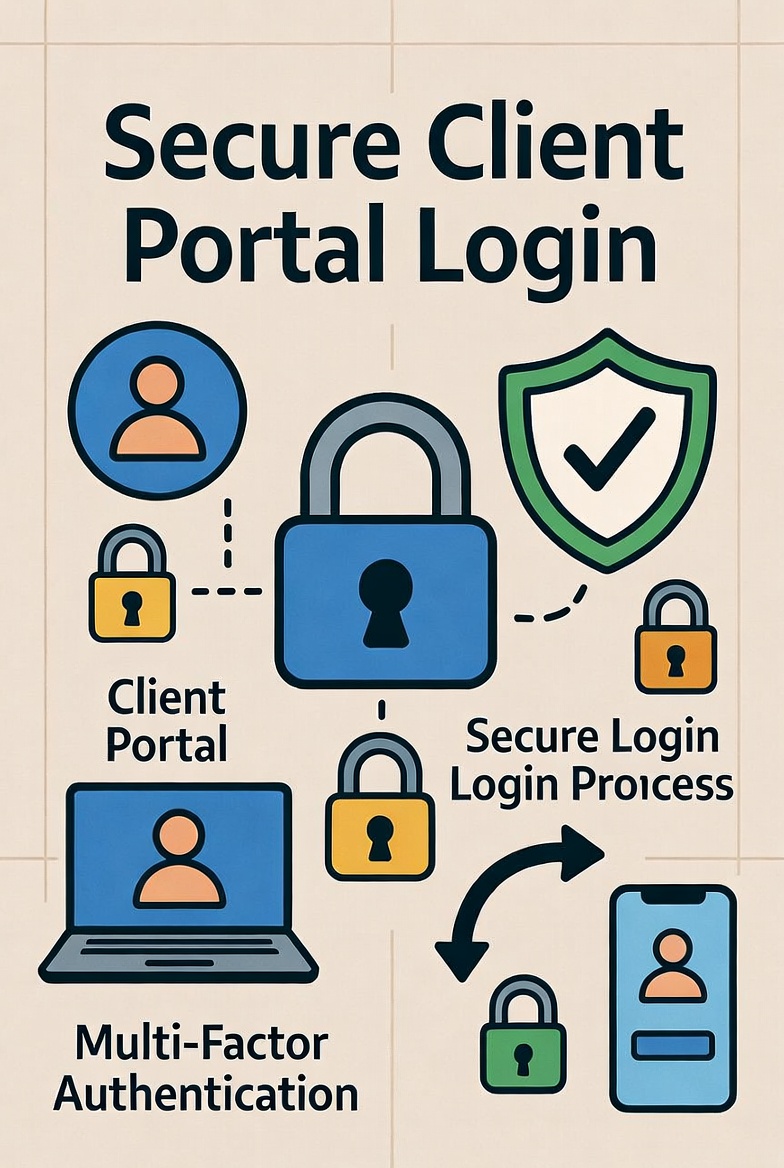
Authentication is the process that confirms a user’s identity before portal access is granted. Educational reviews note that authentication methods typically involve credential verification followed by session monitoring.
Session management is equally important. Secure portals often include:
- Automatic session expiration after inactivity
- Re-authentication requirements for sensitive actions
- Protection against simultaneous unauthorized access
Taxdome client portal reflects common practices used across professional platforms, where session behavior is designed to prioritize security over convenience.
Access Logic and Information Segmentation
Access logic determines what users see once they enter a portal. Rather than providing unrestricted visibility, secure systems segment information based on predefined rules.
Common segmentation methods include:
- Role-based access
- Context-based content display
- Section-level permissions
In taxdome client portal, access logic ensures that documents, messages, and interface elements are displayed according to user context. This approach mirrors how many professional digital platforms organize their internal environments.
Interface Transparency and Security Awareness
An important educational aspect of client portals is how security measures are communicated through the interface. Rather than exposing technical details, platforms typically use subtle indicators such as:
- Lock or verification icons
- Confirmation messages after access actions
- Restricted navigation elements
These visual cues help users understand system boundaries without requiring technical expertise. Taxdome demonstrates this approach by embedding security awareness directly into its interface design.
Comparison With Other Secure Digital Workspaces
When compared with other professional digital workspaces, taxdome client portal follows widely adopted security architecture patterns. Across platforms, similarities include:
- Centralized access points
- Layered security controls
- Clear separation of user environments
Differences are usually found in terminology or visual presentation, not in fundamental access logic.
Educational Considerations for Portal Users
From an informational standpoint, understanding portal security architecture helps users interpret system behavior more accurately. Educational guidance often suggests:
- Recognizing that access limitations are intentional
- Understanding why repeated verification may occur
- Being aware of session-based restrictions
These considerations apply broadly to secure client portals across professional digital platforms.
Conclusion
Security architecture and access logic form the backbone of secure client portals. By examining authentication, session management, and information segmentation, users gain a clearer understanding of how professional platforms such as taxdome client portal operate. This knowledge supports informed and confident interaction with secure digital environments without extending beyond an educational scope.
Disclaimer: This post is for educational and informational purposes only and does not provide financial advice or investment guidance.